
Plinko is built around a falling ball, fixed pins, and payout zones that change each round. On SPINSY, members can read this guide before choosing stake ranges in PHP or USD. This article is written for new members and casual players, helping them understand rules, table flow, risk choices, and basic goals.
Clear introduction to Plinko for digital betting members
The game uses a vertical board where one ball drops through rows of pins. Each bounce can change the final slot, so results stay quick and uncertain. Members often choose Plinko because the round format is easy to follow.
At SPINSY, the board usually supports small PHP stakes and larger USD choices. Players select a risk level, set a bet amount, then release the ball. The layout keeps attention on the path instead of long menus or complex tables.
This guide treats Plinko as a standalone game, not a broad category. It explains normal play without heavy terms, long theories, or unclear claims. Members can use the next sections to compare board rules, round steps, and room styles.
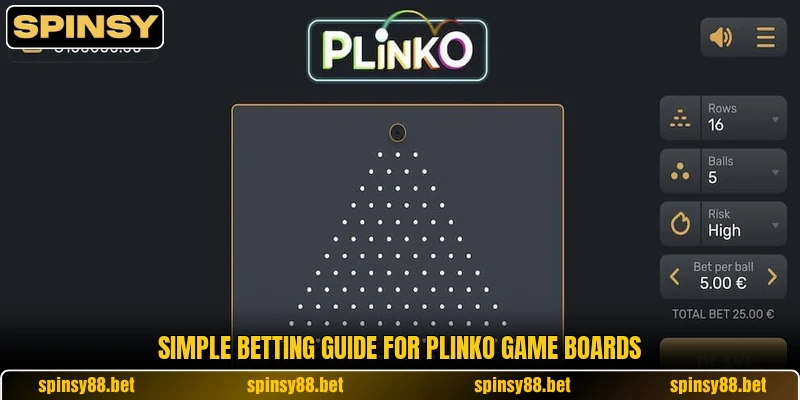
How the drop panel and rules usually work
A clear rule set helps members understand each ball before placing a stake. The points below cover board structure, payout areas, round order, and common mistakes.
Main Plinko board layout
The board shows pin rows that spread the ball left or right. More rows can create a longer path before the final landing point. The bottom slots display multipliers tied to possible round outcomes.
A center slot usually pays less because the ball reaches it more often. Edge slots can pay higher, but they may appear less frequently. This balance creates the main tension behind Plinko rounds.
Players should read the board before changing any stake value. A board with extra rows may feel slower than a shorter one. The visual path still decides attention, not a long rule sheet.
Basic stake and payout rules
Each round starts with a chosen stake shown in PHP or USD. The selected amount is multiplied by the slot where the ball lands. A PHP 50 stake with a 2x slot would return PHP 100.
Risk settings can change the spread between small and large payout zones. Lower risk often keeps multipliers closer across the bottom line. Higher risk may place bigger prizes near the edges.
Players should check the minimum and maximum stake shown on screen. A table may accept PHP 20 while another requires USD 1. Clear limits help members choose rooms that match their intended round size.
Round flow from start
The process begins when players select stake size and risk level. After the release button is pressed, the ball drops from the top. It then touches pins until one bottom slot receives it.
The result appears after the ball reaches the final payout zone. Winnings, losses, and multipliers are shown without a long waiting period. This short cycle is one reason Plinko stays popular online.
Some rooms may allow auto rounds, but settings should be checked first. Manual play gives members time to review every result. Fast rounds can feel busy when many bets follow each other.
View more: Plinkoman – Guide Falling Balls Toward Big Rewards
Common errors to avoid
One error is pressing release before reading the displayed multiplier range. Another is entering the wrong currency amount when switching between PHP and USD. Players should check numbers carefully because a round starts quickly.
Members may also confuse high risk with guaranteed high returns. High multipliers can appear, yet low slots may also land more often. The board should be treated as chance, not a promise.
Another mistake is ignoring room limits before joining a table. A limit may be too high for a small test round. Reading the room panel keeps the first bet clear and simple.

Useful room choices and wagering settings for members
Different Plinko rooms can change pace, stake size, and visual pressure during play. Members should compare settings first, then pick the board that feels clear.
Low range table choices
Low range rooms usually show smaller entry stakes in PHP. They suit members who want to learn buttons and board movement first. These rooms also make early Plinko rounds easier to review.
A low range table may display modest multipliers near most bottom slots. The aim is not to chase the largest edge payout immediately. Players can use slower choices to understand how results appear.
Stake boxes should still be checked before every new release. Some rooms update minimum values during busy periods or special tables. A careful glance can prevent a larger stake than intended.
Medium pace room habits
Medium pace rooms may combine wider stake choices with quicker repeat rounds. Players often see enough speed without losing track of the board. This setting can suit members who already know basic controls.
Before pressing repeat, players should confirm the same stake remains active. Some screens keep the last amount, while others reset fields. Clear checking prevents confusion during back to back Plinko play.
A medium room can show a balanced mix of center and edge rewards. The display should still be read before each session begins. Multipliers may differ between boards that look similar at first glance.
High risk layout notes
High risk layouts usually place larger multipliers near the far edges. The center may carry smaller returns, making results feel sharper. Players should read the payout line before choosing this style.
This room type can move fast because outcomes feel more extreme. A big edge slot may draw attention, but it is not guaranteed. The board remains based on the ball path and final landing.
Members using USD stakes should check conversion comfort before starting. A USD 2 bet can feel different from a PHP 100 stake. Currency clarity matters when rooms allow both listed values.

View more Category: Arcade
Conclusion
Plinko remains a clear drop game where every bounce can change the final result. Members can use SPINSY as the listed betting site while checking stakes in PHP or USD. Download the app, register an account, and good luck with the next round.